Duong Dong Pharmacy & Clinic Phu Quoc: Practical Guide for Travellers
One question I get more often than people expect: "Sabrina, where do I go if I need a pharmacy at 11 PM?" or "Is there a doctor nearby who speaks English?" I've answered it in person hundreds of times. This page is the written version — a practical orientation for anyone staying near Duong Dong who wants to know what's available, how far it is, and what to keep in the room before anything happens.
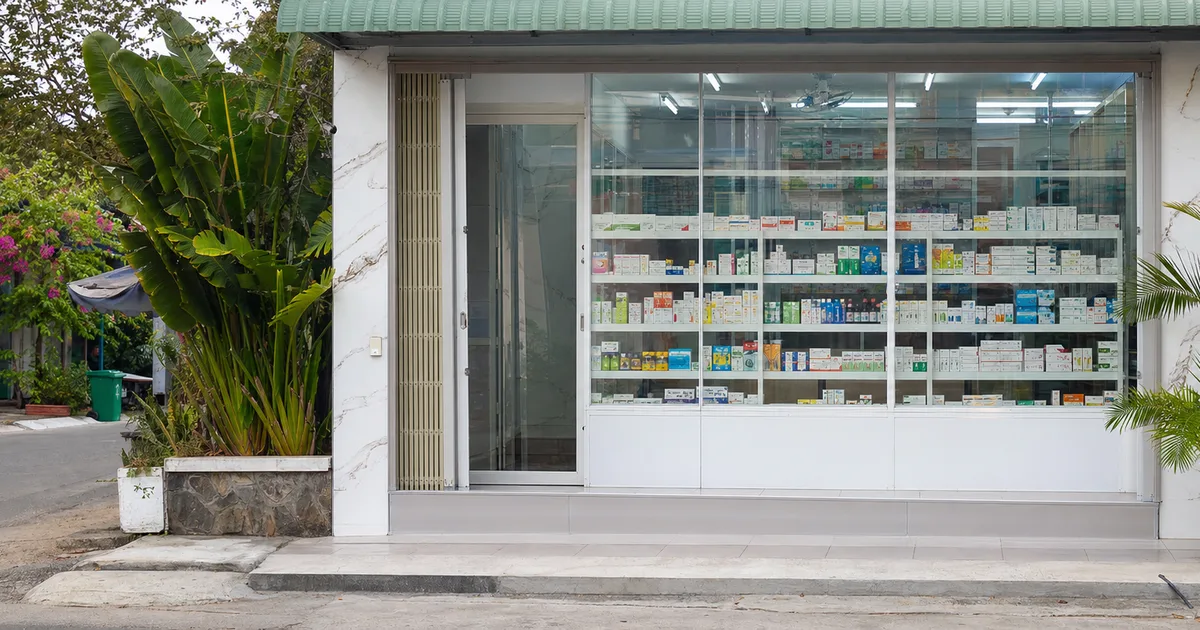
- 24-hour pharmacy: Nguyen Trung Truc street, ~650 m from Sabrina, ~8 min on foot
- English-speaking clinic: ~1.2 km from Duong Dong town centre, 200,000–500,000 VND consultation
- Emergency ambulance: dial 115 from any phone
- Oresol sachets and paracetamol available at the pharmacy for under 30,000 VND total
- Travel insurance with evacuation cover is genuinely worth having before you arrive
Which Duong Dong Pharmacy Stays Open at Night?
The one I point guests toward is on Nguyen Trung Truc street — the same road as Phu Quoc General Hospital, which means it's also the pharmacy that actually stocks the broader range of medications rather than just tourist-facing basics. From Sabrina it's about 650 m by road: head north on Nguyen Du, turn right onto Nguyen Trung Truc, and it's roughly 400 m along on the right. Eight minutes walking at a normal pace, less if you take a xe om from out front (20,000–30,000 VND).
Late-night hours: in my experience, this particular pharmacy keeps a duty counter open until at least midnight most nights, and there's usually someone reachable round the clock. The other pharmacies dotted along Tran Hung Dao road are more convenient during the day — there are three within a 10-minute walk — but they tend to close between 9:00 and 10:00 PM. After that, Nguyen Trung Truc is your best option.
Language situation: the staff are used to tourists. If you hold up a packet of something you brought from home or show a Google Translate screenshot, they can generally work out what you need. A few staff members have basic conversational English. Don't expect a long consultation — but for getting the right basic medication, it works fine.
| Pharmacy location | Distance from Sabrina | Hours (approx.) | Notes |
|---|---|---|---|
| Nguyen Trung Truc street | ~650 m by road | 24h / duty counter | Best for late-night and broader stock |
| Tran Hung Dao road cluster | ~300–500 m | 8 AM – 9:30 PM | Convenient daytime; closes early |
| Near Duong Dong market | ~700 m | 7 AM – 8 PM | Good for basics and Oresol |
Prices at Vietnamese pharmacies are low. Oresol rehydration sachets are 5,000–10,000 VND each. A strip of paracetamol (10 tablets) is around 15,000–20,000 VND. Over-the-counter antihistamines, anti-nausea tablets, and basic antifungal cream are all available for well under 100,000 VND. The pharmacy is linked to the hospital's supply chain, so even somewhat specialist items (specific antibiotic courses, eye drops, more complex digestive medications) are usually in stock.
Is There an English-Speaking Clinic Near Duong Dong?
There is a private clinic approximately 1.2 km from Duong Dong town centre — around 15 minutes on foot or a short motorbike taxi ride (30,000–50,000 VND). It has at least one doctor who speaks functional English, which is enough to describe symptoms clearly and get sensible treatment advice. Consultations there run roughly 200,000–500,000 VND ($8–$20) depending on what's needed; adding a prescription might bring that to 300,000–700,000 VND total.
The clinic can handle most things a traveller realistically needs: GI infections, infected cuts, ear or eye problems, suspected dengue initial assessment, blood pressure checks, minor injuries. For imaging (X-ray) or anything requiring specialist referral, they'll send you to Phu Quoc General Hospital on Nguyen Trung Truc. The hospital has a dedicated foreigner reception counter — slow but functional, with some English-language signage.
I always tell guests: the private clinic is the right choice for everyday problems. It's fast, the English communication is workable, and the cost is low enough that even without insurance it's not a financial event. Save the hospital for genuine emergencies where you need equipment or specialist care. The wait times at the public hospital — if you walk in without an emergency — can run several hours.
What Should You Keep in the Room?
I keep a small first-aid box in every room at Sabrina for basic emergencies — plasters, antiseptic wipes, a thermometer. But guests arriving with their own kit are better prepared for the things that actually come up. Here's what I'd personally pack if I were visiting, based on what I've seen go wrong over the years.
The non-negotiables:
- Oresol sachets (oral rehydration salts) — the single most useful item. Available at the Nguyen Trung Truc pharmacy for 5,000–10,000 VND each. Buy two on your first day. If you get even mild traveller's diarrhoea in tropical heat, dehydration happens faster than you think.
- Paracetamol or ibuprofen — for fever, sunburn headaches, or a bad night after trying something adventurous from the market.
- Antihistamine tablets — insect bites and minor allergic reactions are the second most common thing I hear about. A 24-hour non-drowsy antihistamine takes the edge off fast.
- Antidiarrhoeal tablet (loperamide) — not for regular use, but useful when you genuinely need to be functional for a ferry or a flight.
- Medical tape and a few plasters — small cuts from coral, motorbike pedal edges, or market crates need to be kept clean and covered in this climate. An uncovered cut in tropical humidity gets infected in a day.
- Antiseptic cream or spray — applies to the above.
- Thermometer — fever above 39°C after more than two days warrants a clinic visit, especially if dengue is possible.
Two more things worth having that aren't first-aid exactly but matter here: SPF 50+ sunscreen and DEET-based insect repellent. Both are available at the pharmacy, but cheaper if you bring them from home. Sunscreen in Vietnamese tourist pharmacies runs 150,000–300,000 VND for a small tube. Bring a bigger bottle.
What you don't need to bring: full antibiotic courses, elaborate wound dressings, or an IV kit. The pharmacy is 650 m away. Keep the kit light and targeted.
What Health Issues Do Guests Actually Run Into?
After hosting 500+ guests, the pattern is pretty clear. In rough order of frequency:
Sunburn and heat exhaustion. This is number one, by a margin. People underestimate how intense the sun is between 10 AM and 3 PM, especially on the first two days before they've adjusted. Phu Quoc is at roughly 10° north latitude. The UV index regularly hits 11–12 in summer. I've had guests arrive back from a morning on Long Beach barely able to walk. Drink more water than feels necessary, use sunscreen, and take an indoor break midday.
GI problems. Usually mild and self-resolving. The most common cause isn't food — it's tap water contamination (ice at unbranded stalls, brushing teeth with tap water, wet hands on street food). Oresol, rest, and plain rice fix 90% of cases within 24 hours. If there's blood, high fever, or it persists past two days, go to the clinic.
Insect bites that get infected. Mosquitoes here are aggressive in the evenings near any standing water. The bites themselves aren't usually serious, but scratching them in tropical humidity and then swimming in the sea is a reliable way to get a small infection. Keep bites clean, use repellent from sunset onward, and don't scratch.
Minor cuts from coral and reef. Common with snorkelling near the southern islands. Coral cuts look minor but get infected fast. Clean thoroughly with antiseptic immediately, keep dry, and cover. Don't leave coral cuts open overnight in this climate.
Dengue fever is present on Phu Quoc — it's a real risk, not a remote one. The classic signs are sudden high fever (39–40°C), severe headache behind the eyes, joint and muscle pain, and a rash appearing after 2–3 days. There's no specific treatment; it's rest, hydration, and paracetamol (not ibuprofen or aspirin, which can worsen bleeding risk). If you suspect dengue, go to the clinic for a blood test. It's a 15-minute test and gives a clear answer.
Emergency Numbers and What to Do
Vietnam's ambulance number is 115. Works from any phone — Vietnamese SIM, foreign SIM with roaming enabled, even some phones without a SIM in an emergency. Police is 113; fire is 114.
If something serious happens while you're staying here: knock on the door or call us first. Not because the emergency services aren't capable, but because having someone locally who can communicate clearly in Vietnamese gets you faster and better care. I've helped coordinate emergency transport twice in eight years of hosting — both times the language element made a real difference to how quickly things moved.
Phu Quoc General Hospital is on Nguyen Trung Truc road — about 1.5 km from Sabrina, under 5 minutes by taxi. It's a public hospital with a reasonable trauma and emergency department. For anything requiring intensive care or specialist surgery, the standard protocol is stabilise and transfer to Ho Chi Minh City (1-hour flight). That's where your travel insurance evacuation coverage matters.
Do You Actually Need Travel Insurance for Phu Quoc?
Short answer: yes, and specifically one that includes medical evacuation. This isn't me being cautious for the sake of it. Day-to-day health costs on Phu Quoc are genuinely cheap — a clinic consultation is $15, a course of antibiotics is $6. You could cover those out of pocket. The problem is the tail risk. A bad motorbike accident, a diving incident, a severe allergic reaction — anything requiring transfer to a major hospital in Ho Chi Minh City costs 10,000–30,000 USD in transport and initial care alone. Evacuation flights from Phu Quoc are not free.
What to check in your policy: inpatient coverage, outpatient coverage (some basic policies exclude it), and explicitly "medical evacuation" or "emergency air transport." A lot of standard trip-cancellation policies don't include the last one. World Nomads, SafetyWing, and AXA Smart Traveller are the ones I hear about most from guests — I'm not recommending any specific insurer, just noting which names come up. Buy it before you fly; you can't arrange coverage after you're already on the island.
See our FAQ page for more general guest questions, or check booking details for what's included at the homestay.
Frequently Asked Questions
Questions Before You Arrive?
I'm usually available on WhatsApp and happy to answer health or practical questions before check-in. Check out our rooms or location page to get oriented first.
WhatsApp Sabrina →